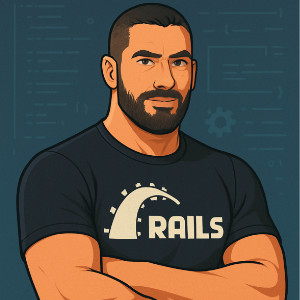
Speaking at RubyConf Thailand 2026
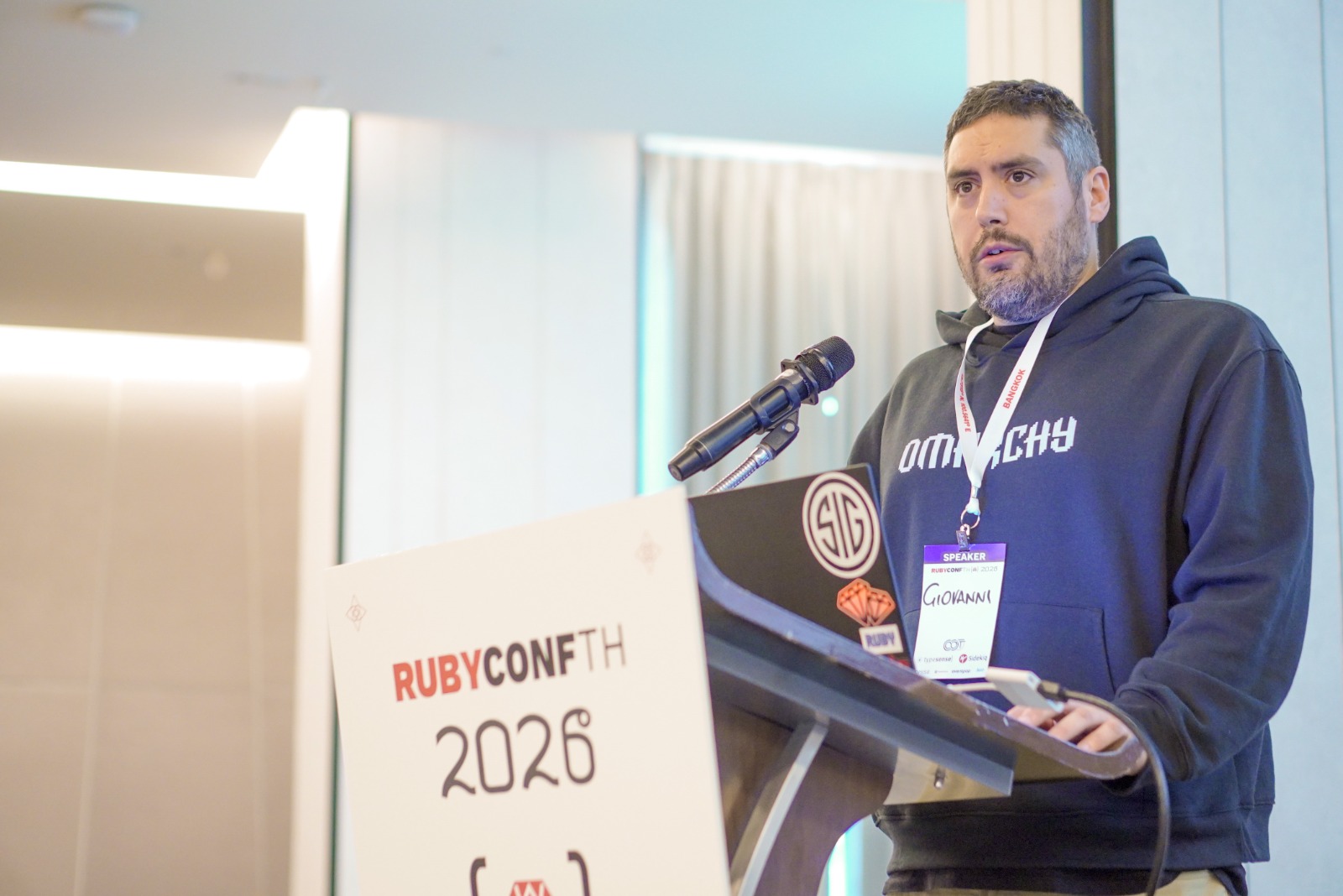
I stood backstage in Bangkok this morning, heart pounding like I was about to jump out of a plane. Fifteen years of writing Ruby. Countless hours building Rails engines. And still, that moment before walking on stage felt like stepping into the void.
This was RubyConf Thailand 2026. My first international Ruby conference talk. And it mattered to me more than I can probably express in words.
The night before
I must have run through that presentation forty times in my hotel room. Each time finding a slide that didn’t land right. A code sample that needed one more change and a detail in the speaker notes that had to be added or removed.
At 2 AM I was still tweaking the section on namespace isolation. Not because it was broken, but because I couldn’t stop. When something matters this much, you keep polishing until someone physically takes your laptop away.
My talk was about building Rails engines from scratch. I wanted to share some of the lessons I’d learned the hard way while creating Active Storage Dashboard. I had to condense 8 lessons from months of real work into a 20 minutes talk. Eight patterns that actually survived contact with production apps across different Rails versions, different databases, different authentication setups.
Why this talk mattered
There’s a reason I chose Rails engines as my subject. In 2026, everyone’s still chasing the microservices dream. Breaking monoliths into distributed systems that require a PhD in DevOps to deploy.
Meanwhile, engines sit there. Quiet and underrated.
An engine lets you extract functionality without increasing the complexity of the whole system exponentially. You can build a feature once and drop it into many Rails app. Same codebase. Same deployment. No network hops. No service mesh. No Kubernetes YAML files.
Rails engines deserve better documentation. Better examples. Better advocacy. This talk was my small attempt to push back against the complexity in which most of our industry seems to be fell into.
The adrenaline hit
When Bill, the moderator, called my name, everything went quiet. Not in the room but my head. All the nervous energy that had been building for weeks suddenly focused into a single point.
I walked on stage. Saw the audience.
The fear didn’t disappear. It transformed. After the first minute or so what had been anxiety became fuel. The same nervous system that wanted me to run away started helping me think straight.
This is what nobody tells you about public speaking: the adrenaline isn’t your enemy. It’s your friend showing up overdressed for the occasion. You just have to give it something useful to do.
After
The applause at the end felt surreal. People came up afterward with questions. Real questions, from developers who’d fought the same battles. One person mentioned they’d been stuck on the authentication problem for weeks. Another wanted to talk about active storage patterns.
These conversations were worth more than any tweet or blog post could capture. This is why conferences still matter. This is why you get on a plane, stand on a stage, and share what you’ve learned. Now I see it even more clearer than before.
I flew halfway around the world to talk about Rails engines for twenty five minutes. And I’d do it again tomorrow.
If you’re building an engine - or thinking about it - check out Active Storage Dashboard. It’s open source, it works across Rails versions, and it embodies every lesson from that talk.
And if you’re thinking about submitting to a conference: do it. The preparation will make you better. The adrenaline will surprise you. And the community will show up in ways you didn’t expect.
Bangkok was worth every sleepless night.
Thanks
I really want to thank the whole Ruby community that I find to be the most supportive community among all the other programming language’s communities I know.
A special thanks to my friend Roland. He was the guy that sent me the CFP and he is also the guy who made the conference possible. Without him I feel like I would have missed what feels like one of those experiences that make you grow and improve as a developer and as a human being.
The slides
The slides are available on my talks page if you want to dig into the technical details.